
Guest Post by Laura Pearson
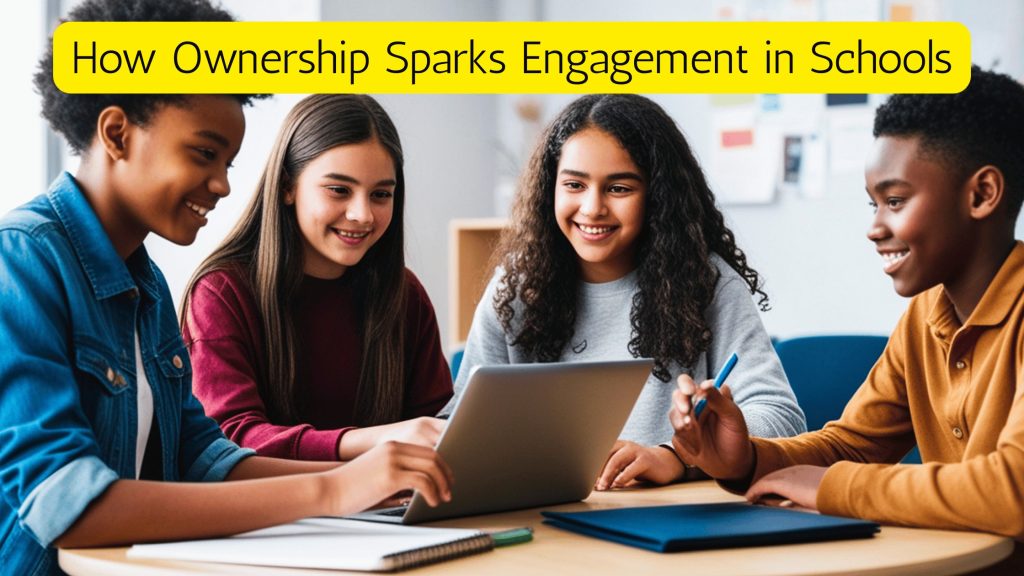
Some kids just show up. They do the minimum, keep their heads down, and count the minutes. Others lean in, asking questions, offering ideas, caring how things turn out. The difference? They’re not just following instructions. They feel like they’re part of something. When schools give students real chances to take the lead on projects, events, and even everyday decisions, it flips the switch. Suddenly, school isn’t just somewhere they go; it becomes something they’re helping to build.
Choice Builds Investment
There’s something different about a classroom where students get to make decisions. Doesn’t have to be huge; maybe they pick how they present their research or help plan how to use class time before a deadline. Either way, it changes the tone. Instead of just waiting to be told what’s next, students start thinking ahead, pitching ideas, and owning outcomes. In spaces where ownership improves student investment, kids start treating their work like it matters, because now it does. They’re not performing for a grade, they’re building something that reflects them.
Leadership Roles Create Identity
Being “in charge” isn’t just for outgoing kids. It’s not about personality. It’s about giving any student the chance to run point on something real, like organizing an assembly or coordinating a recycling program. It’s that sense of, this thing won’t happen unless I do my part. That feeling sticks. Schools that center on growing confidence through student roles often notice kids standing taller, talking with purpose, and helping others more easily. They’re still students, sure, but they start acting like people who have a say. And that mindset carries over.
Teamwork Starts with Purpose
Group work gets a bad rap, and for good reason; when it’s done wrong, one kid does the work, two coast, and the rest wait for the bell. But when students have to pull something off together that the whole school will see? That’s different. Projects like student-run exhibits or event planning give teamwork a real edge. Everyone has to step up. In those moments, hands-on teamwork in peer-driven tasks builds something that lectures never could: trust, communication, and shared pride. It’s messy, sure, but it’s real.
Belonging Starts with Participation
Ask students if they feel like they belong in school, and the answer rarely has to do with their GPA. It’s about connection, being part of something. Clubs, talent shows, campus cleanup days… these things might seem “extra,” but they’re how many students get their footing. They find their people. They try something new. When students participate in shared school experiences, school starts to feel less like a schedule and more like a community. That shift, from obligation to investment, is where belonging begins.
Creative Learning Builds Agency
Some of the best learning doesn’t look like learning. A podcast that students record for their peers. A mural designed and painted by the art class. A research project that ends in a community pitch night. When schools say yes to those kinds of projects, they’re saying yes to trust. And when students take the lead, they gain skills that stick—organization, follow-through, resilience. That’s what happens when design-focused learning fosters agency. The goal isn’t just the final product, it’s the sense that they made it happen, start to finish.
There’s a pattern here, and it’s not complicated: When students are trusted with something real, they tend to rise. Not always perfectly. Not without support. But enough to see that the work means something. Ownership is more than a strategy; it’s a signal. It tells students, “You belong here. This is your space, too.” When schools build that kind of culture, they don’t just raise engagement, they grow people who know how to contribute, lead, and build with others. That’s worth more than test scores.
Thank you, Laura, for contributing this post. You have captured the importance of student choice and leadership.
In the Empowered School Project, we give teachers a simple way to use six brain-friendly, evidence-based practices in the classroom and hand them off to their students to lead. We incorporate student leadership in a way that SAVES time and makes teaching more FUN because students are engaged and they enjoy learning!
Find out more about the Empowered School Project here.
Best wishes on your teaching and/or parenting journey,
Trish Wilkinson, founder of Brain Stages Education and Parenting